Ureshino
嬉野 — A town where tea and hot springs define the rhythm of life.
Where green tea meets healing waters
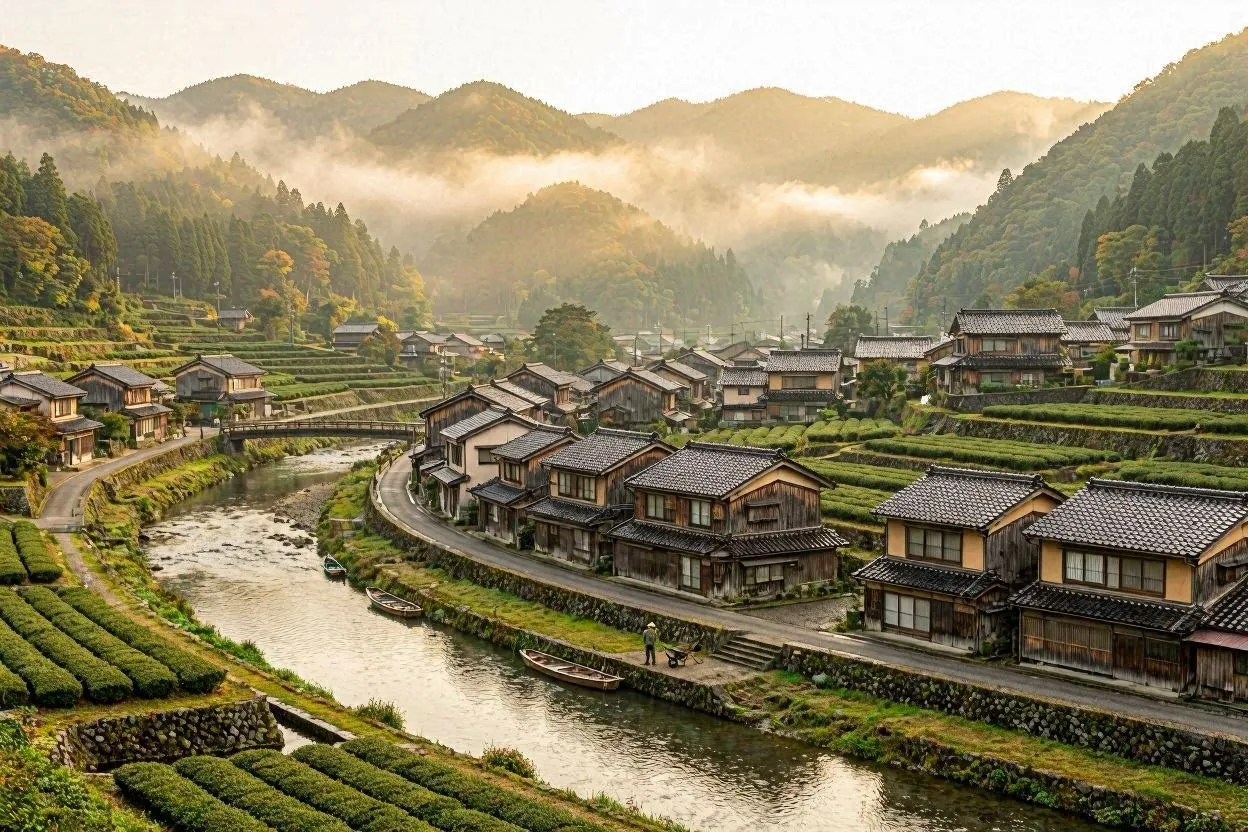
Ureshino sits in the western hills of Saga Prefecture on Kyushu island, about 90 minutes from Fukuoka by highway bus. The town stretches along the Ureshino River, its streets lined with small ryokans, tea shops, and public footbaths that locals use daily.
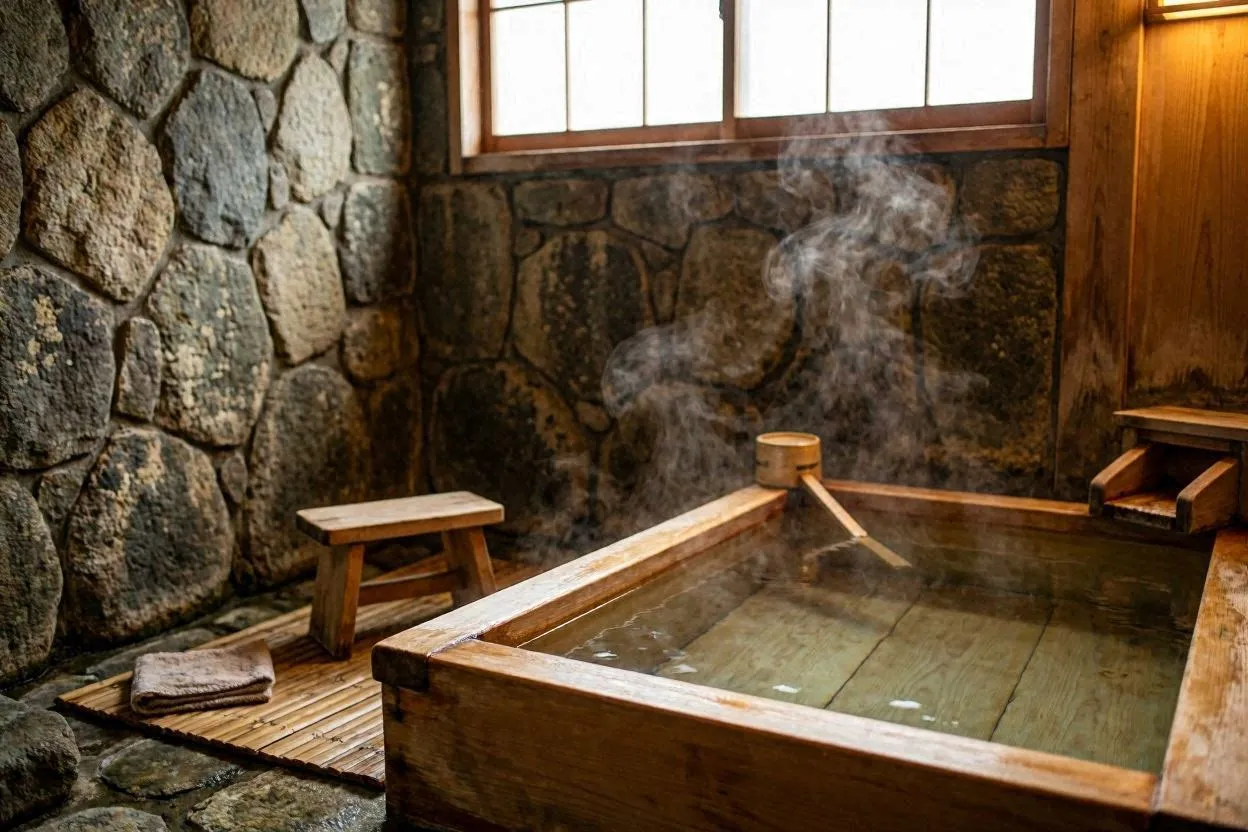
The town has been a destination for onsen bathing since the Edo period (1603–1868). Its sodium bicarbonate waters are classified as "bihada no yu" — beautifying waters — and are so alkaline-soft that your skin feels like silk after soaking. Along with Shimabara and Takeo, Ureshino forms part of Saga's "onsen triangle."
But what makes Ureshino distinct is its tea. The region produces some of Japan's finest ureshino-cha, a steamed green tea known for its rounded, mellow flavor — different from the sharper tones of Shizuoka or Uji teas. Walking through town, the air carries the scent of roasting leaves from small family-run factories.
Bihada no Yu
"Beautiful skin waters"
Ureshino's onsen water contains high concentrations of sodium bicarbonate and sodium chloride. The alkaline pH (around 7.5–8.5) acts as a natural cleanser, gently dissolving oils and softening the skin.
The waters emerge at 85–90°C from underground and are cooled naturally before filling the baths. Many locals bathe twice a day — a brief soak in the morning and a longer session in the evening.
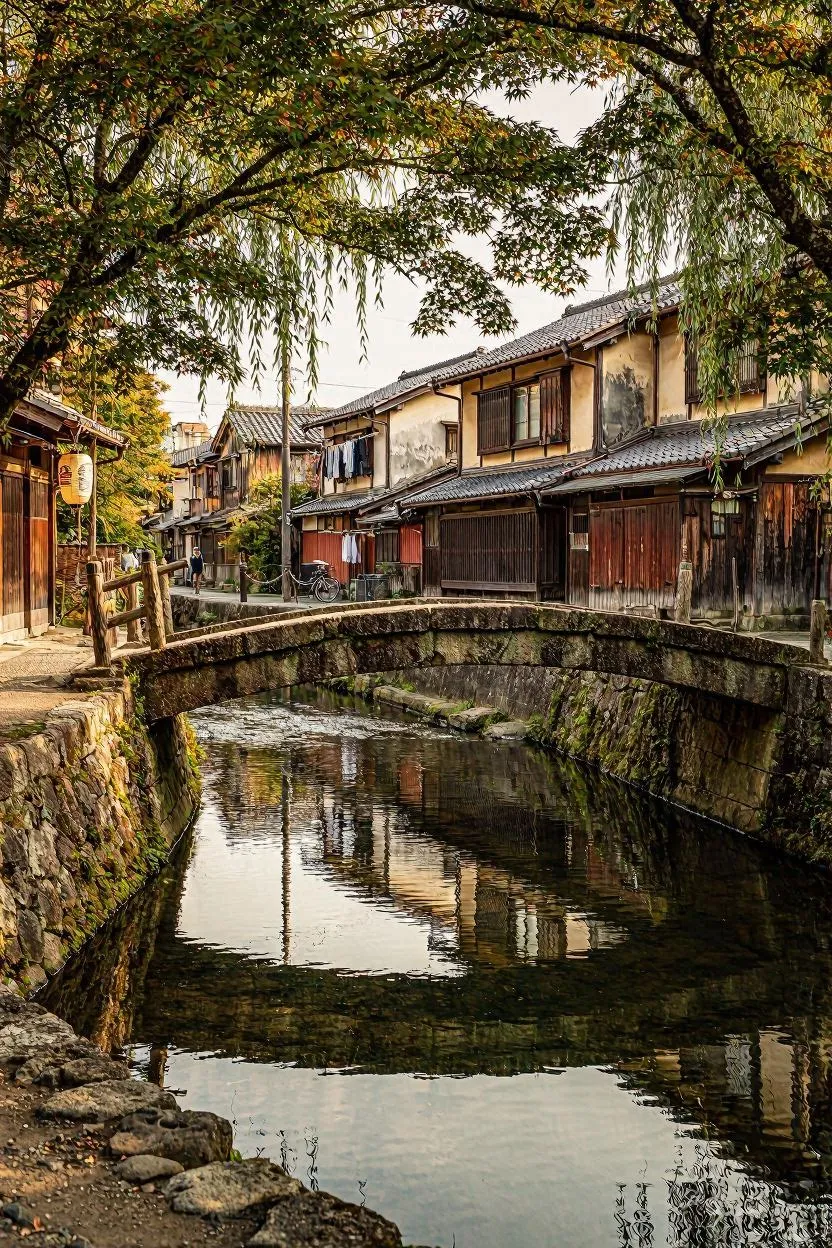
Public ashiyu (footbaths) are scattered along the riverside, free and open to anyone. It's common to see office workers, schoolchildren, and elderly residents sitting side by side, feet in the water, watching the river flow.
Ureshino-cha
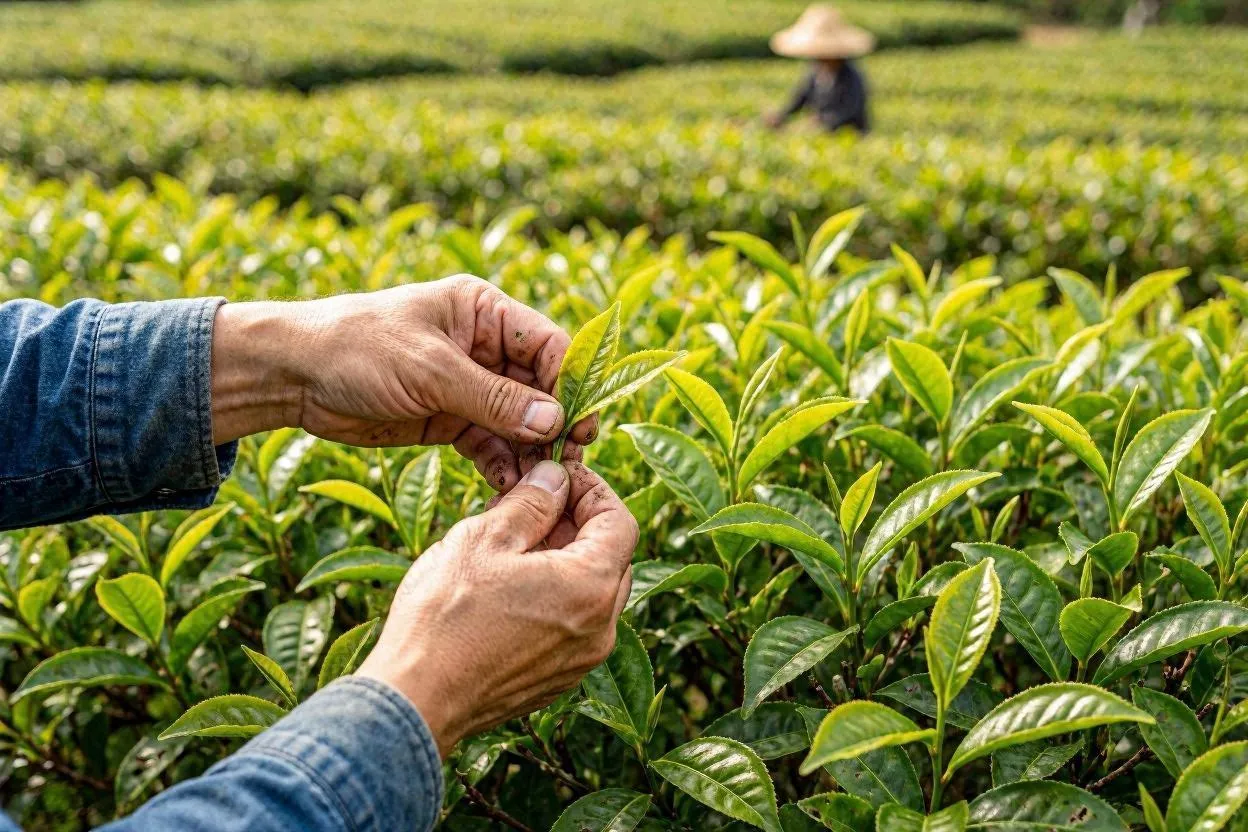
Ureshino has been growing tea since the 15th century, making it one of Japan's oldest tea-producing regions. The tea here is processed using a unique pan-firing method (kamairi-cha) alongside the more common steaming technique.
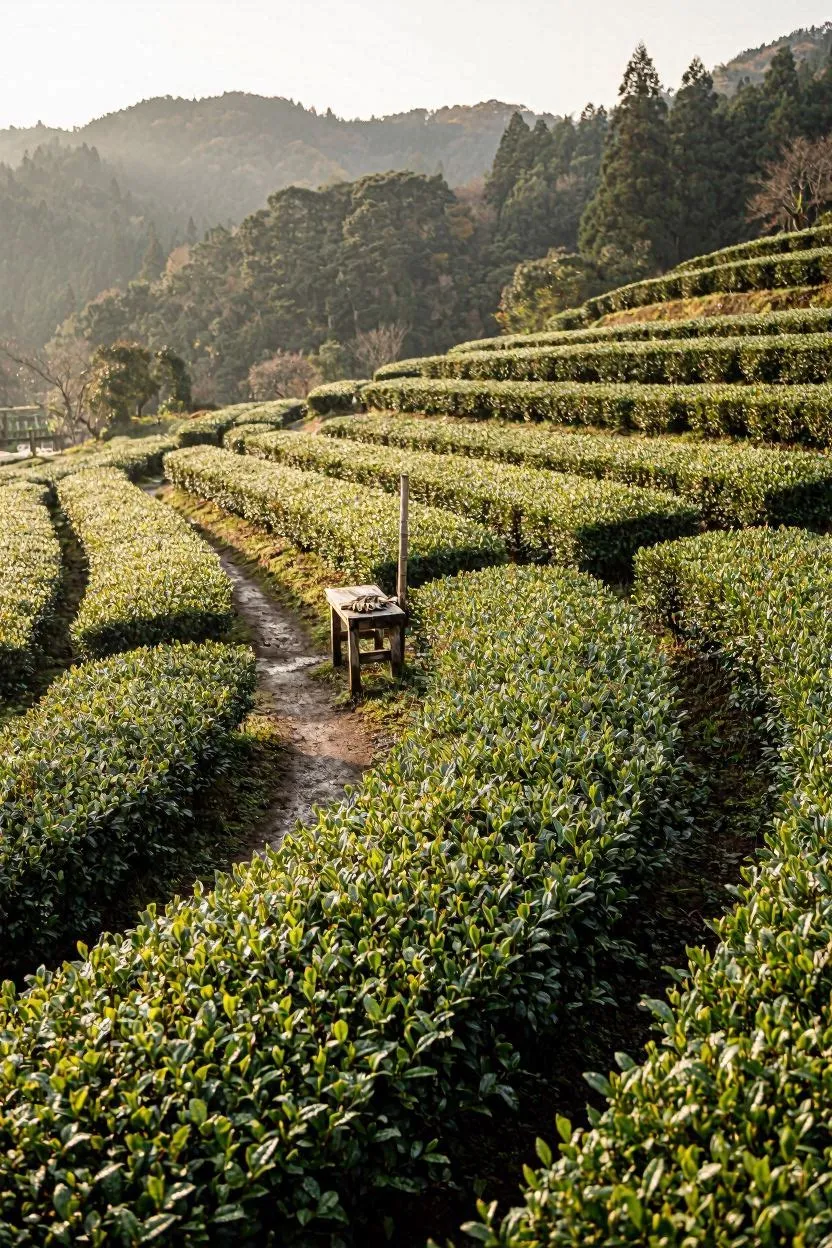
Kamairi-cha produces a lighter, more aromatic cup with a subtle toasty quality — think roasted chestnut rather than seaweed. The town's terraced tea fields, especially along the hillsides above the river, are stunning in spring when new leaves emerge in vivid electric green.
Several local farms offer tea-picking experiences (May–June), and the town's tea shops serve everything from traditional sencha to matcha soft-serve made with locally ground powder.
Working from Ureshino
What you need to know about living and working remotely from this onsen town.
Connectivity
Wataya Besso provides high-speed fiber wifi (200+ Mbps). The coworking space has dedicated ethernet ports for video calls. Mobile coverage (4G/5G) is reliable throughout town.
Getting Here
From Fukuoka Hakata Station: JR Sasebo line to Takeo-Onsen (70 min), then JR Kiha bus to Ureshino (30 min). Highway bus from Hakata Bus Terminal runs direct (90 min, ¥1,500).
Cost of Living
Ureshino is significantly cheaper than Tokyo or Osaka. A filling lunch at a local shokudo runs ¥700–1,000. Convenience stores and a small supermarket cover daily needs.
Food & Dining
Known for Ureshino tofu (yudofu) — silky tofu cooked in onsen water. Try the local teahouse lunch sets. The onsen town has about 15 restaurants within walking distance.
Things to Do
River walks, temple visits (Toyotama Shrine), tea farm tours, pottery workshops in nearby Arita (30 min), hiking in the surrounding hills, day trips to Nagasaki (1hr) or Huis Ten Bosch.
Community
Small town, warm people. Basic Japanese helps enormously. Locals are used to visitors but few foreigners stay long-term — you'll stand out, and that's a good thing here.
Wataya Besso
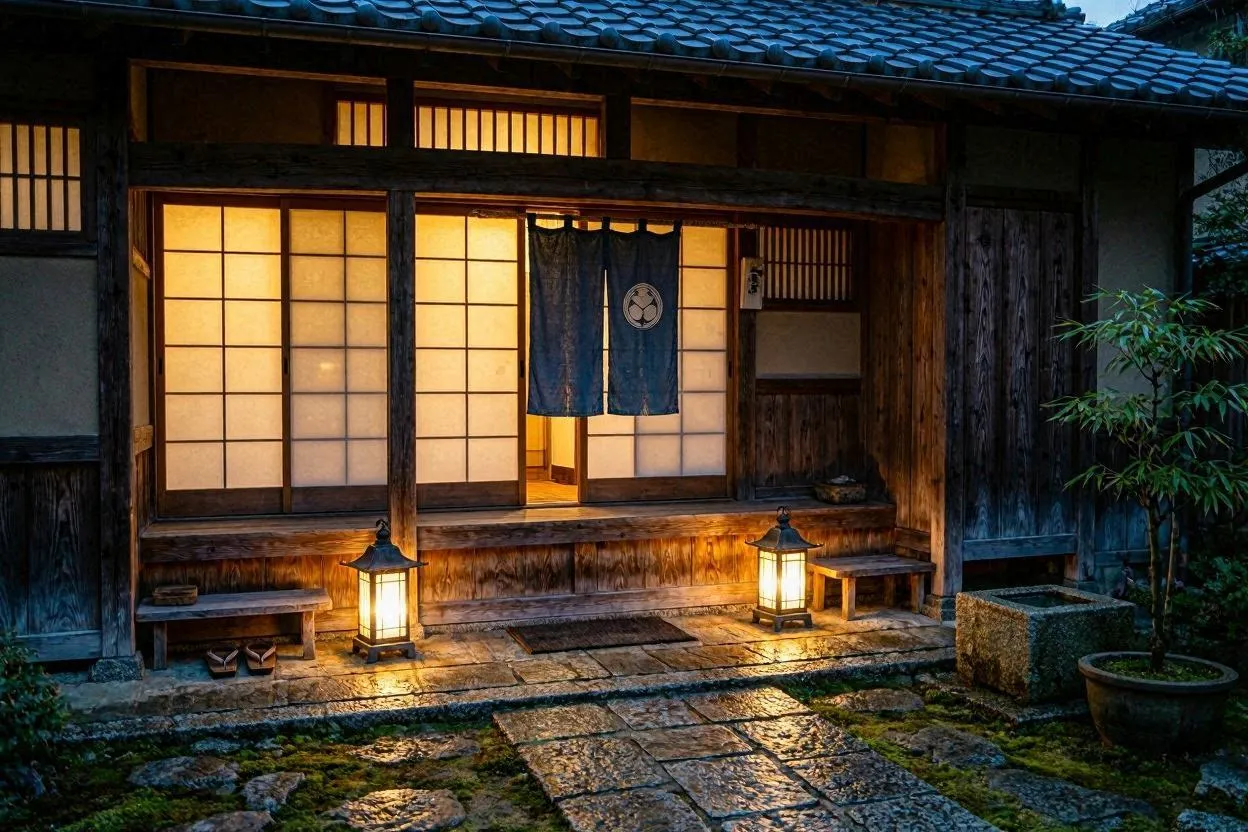
A refined riverside inn that has been welcoming guests to Ureshino for decades. Wataya Besso combines traditional Japanese hospitality with the practical comforts remote workers need — reliable wifi, quiet spaces, and of course, unlimited onsen access.
Rooms blend tatami elegance with modern touches. The common areas offer river views, and the baths — both indoor and outdoor — use Ureshino's famous beautifying waters.
Visit Wataya Besso