Izu
伊豆 — A peninsula where mountains fall into the sea, and history runs deep.
Between mountains and the Pacific
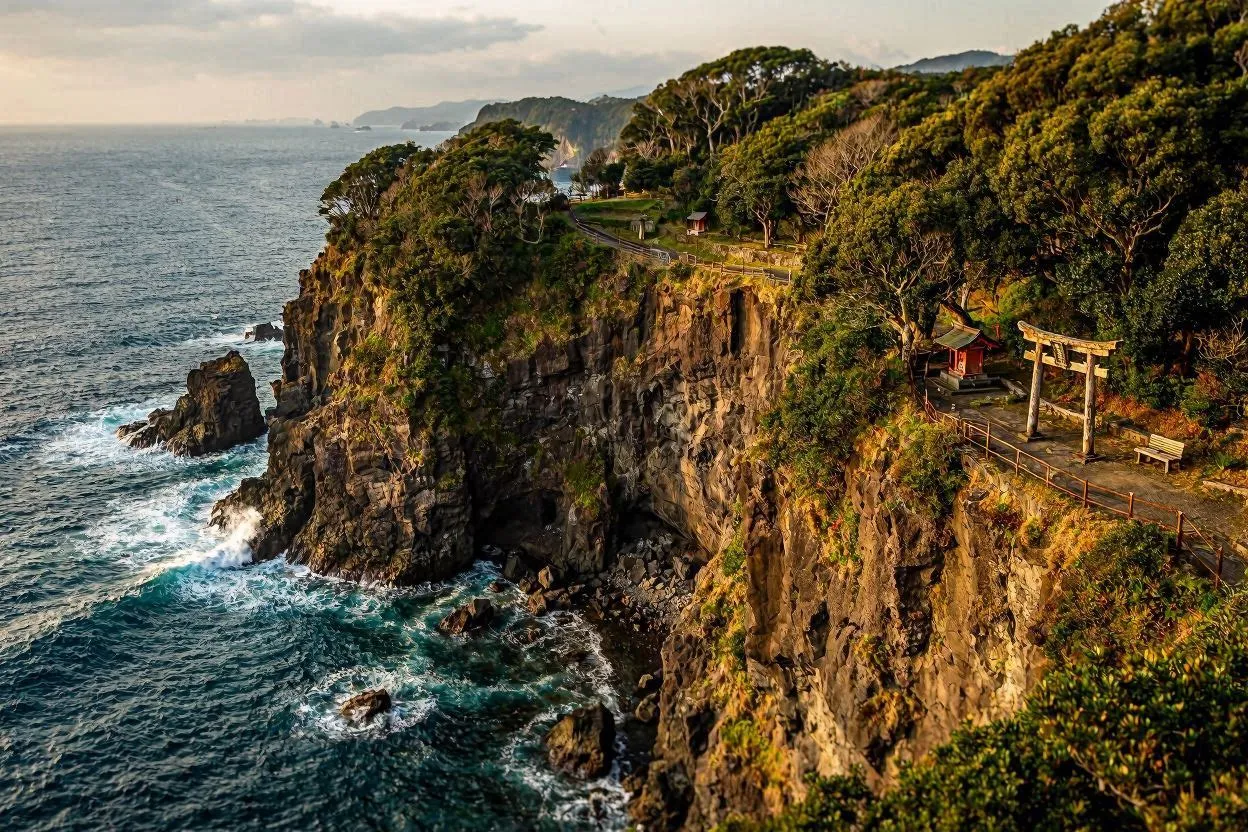
The Izu Peninsula extends south from Shizuoka Prefecture into the Pacific Ocean, about two hours from Tokyo by limited express train. Volcanic in origin, the peninsula is a landscape of steep mountains, dense forests, dramatic coastline, and over 2,000 natural hot springs.
Izu has been a place of exile, refuge, and retreat throughout Japanese history. The Kamakura shogun Minamoto no Yoritomo was banished here as a teenager in the 12th century. Centuries later, Commodore Perry's black ships landed at Shimoda in 1854, forcing Japan's first international trade treaties and ending 200 years of isolation.
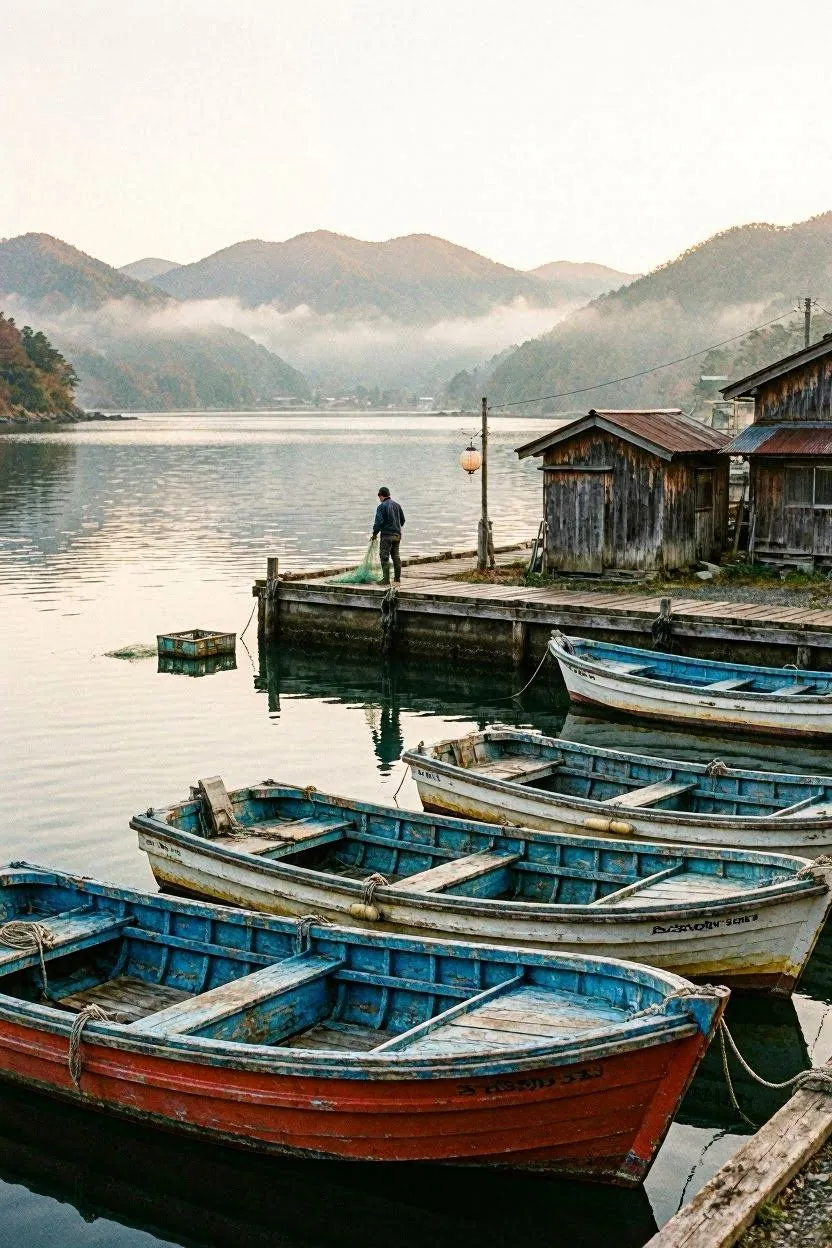
Today, Izu is a region of contrasts — quiet fishing villages sit minutes from resort towns, mountain trails descend to surfing beaches, and some of Japan's best onsen flow in towns few foreign visitors know about.
Two ryokans, two perspectives
Izu's geography means each town has its own character. We've partnered with ryokans in two distinct areas.
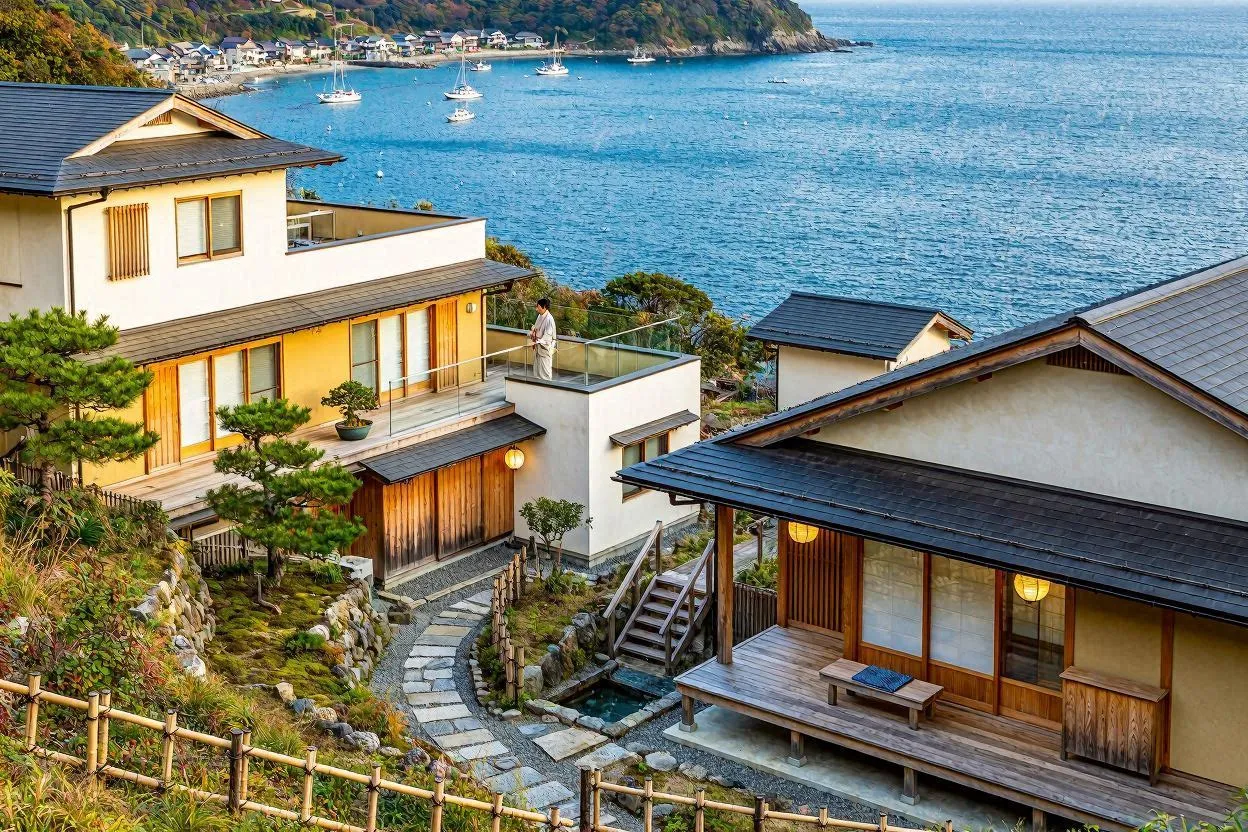
Shimoda View Hotel
Perched on a hill above Shimoda Bay, this hotel offers sweeping Pacific views and easy access to one of Izu's most historically significant towns. The same harbor where Perry's ships anchored is visible from the hotel's outdoor bath.
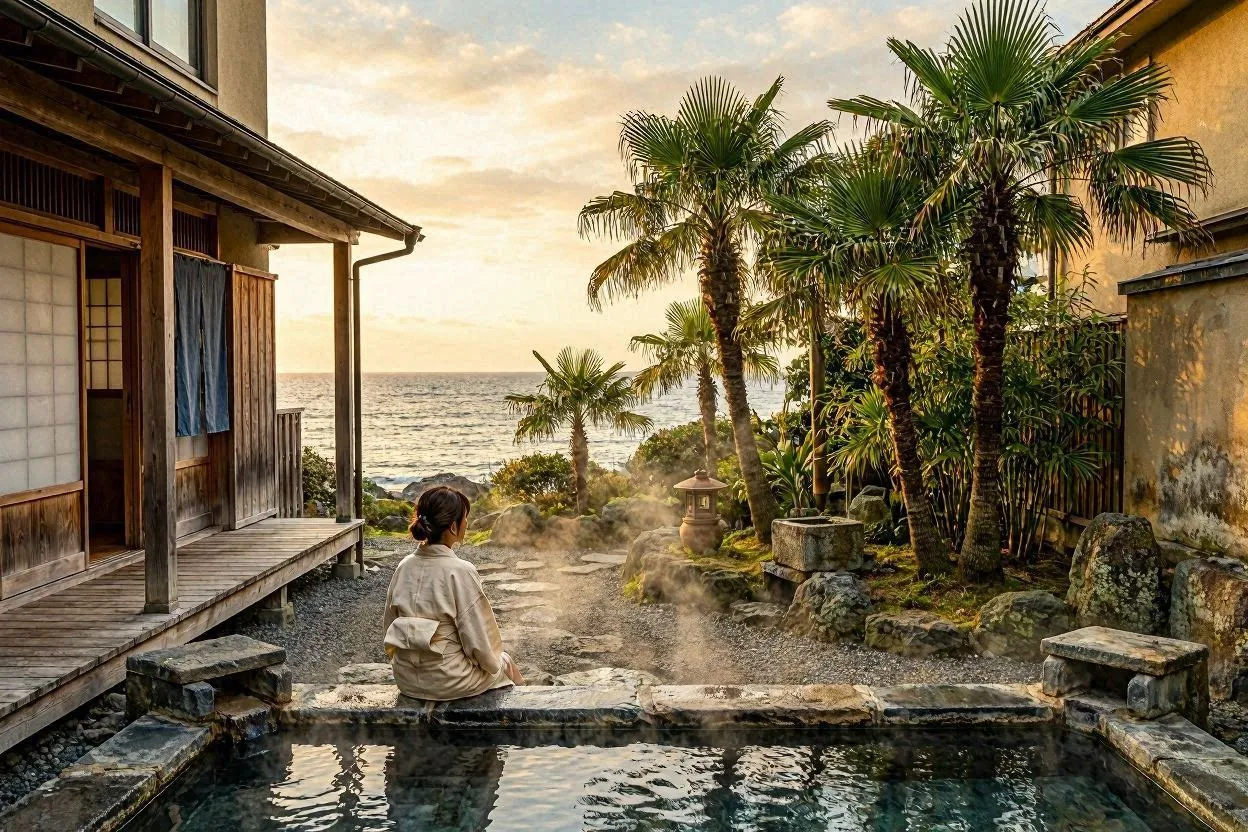
Atagawa Prince Hotel
Atagawa is famous for its powerful hot springs — you can see steam rising from the town's onsen towers from the train. The Prince Hotel sits right on the coast, with open-air baths overlooking the ocean and lush subtropical gardens.
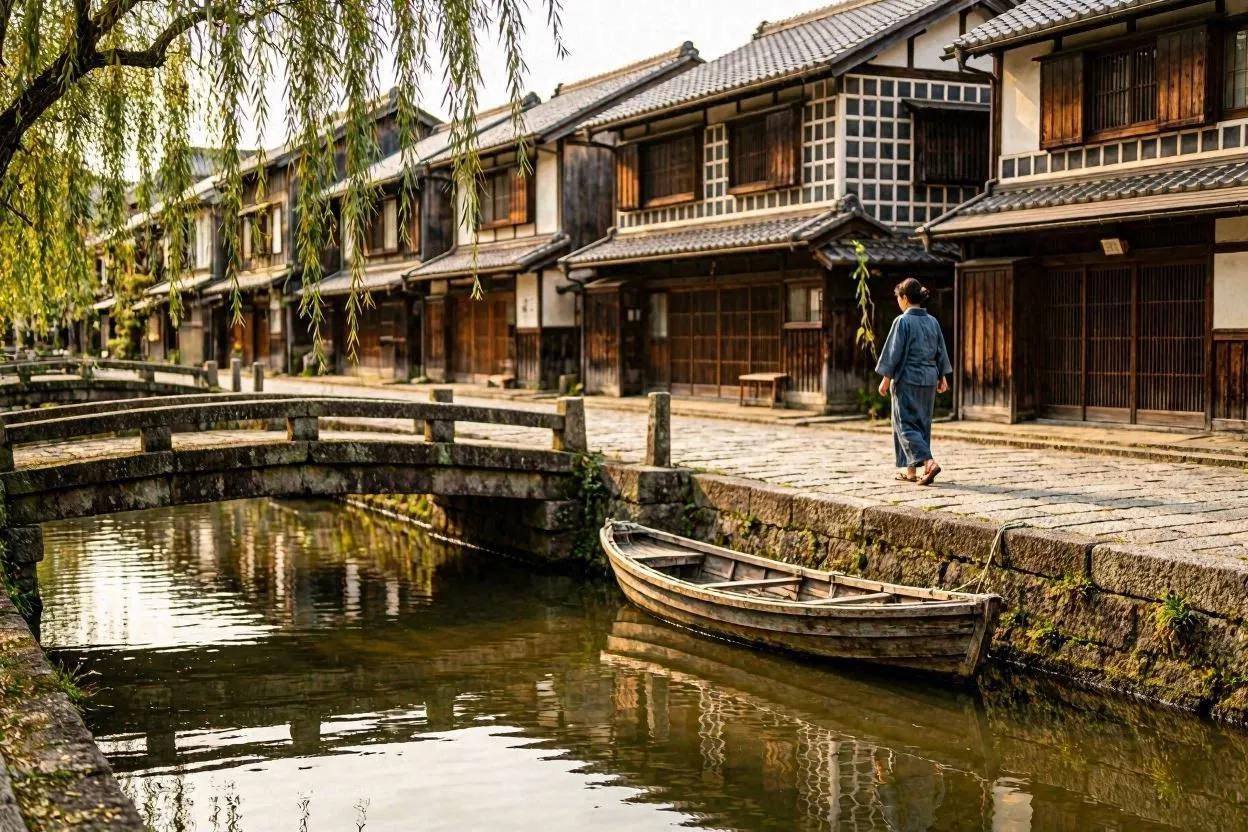
Shimoda
In 1854, Commodore Matthew Perry sailed into Shimoda harbor, and Japan's 200 years of self-imposed isolation ended. The port became one of the first in Japan open to foreign trade, and the town retains that sense of historical weight.
Walk Perry Road — a willow-lined canal path through former merchant quarters. Visit Ryosen-ji temple, where the first US-Japan treaty was negotiated. The town's Namako-kabe (checkered plaster walls) architecture is among the best preserved in Japan.
On a different note, Shimoda's white sand beaches — Shirahama and Tatadohama — are considered among the most beautiful in the Kanto region.
Working from Izu
Connectivity
Both partner hotels provide high-speed wifi. Shimoda and Atagawa have solid 4G/5G coverage. Coworking spaces are set up within the hotels with power, monitors, and quiet zones.
Getting Here
From Tokyo: JR Odoriko limited express to Shimoda (2.5 hrs, ¥6,380) or Izu-Atagawa (2 hrs). The Izu Kyuko line runs along the east coast. By car from Tokyo: 2-3 hours via Tomei Expressway.
Cost of Living
More affordable than Tokyo but pricier than rural Kyushu. Fresh seafood is excellent and reasonably priced. A sashimi lunch set at a harbor restaurant runs ¥1,200–1,800.
Food & Dining
Kinmedai (golden-eye snapper) is the local specialty — served simmered, grilled, or as sashimi. Wasabi is grown in Izu's mountain streams; try fresh-grated wasabi on soba. Don't miss the local aji (horse mackerel) dried fish.
Things to Do
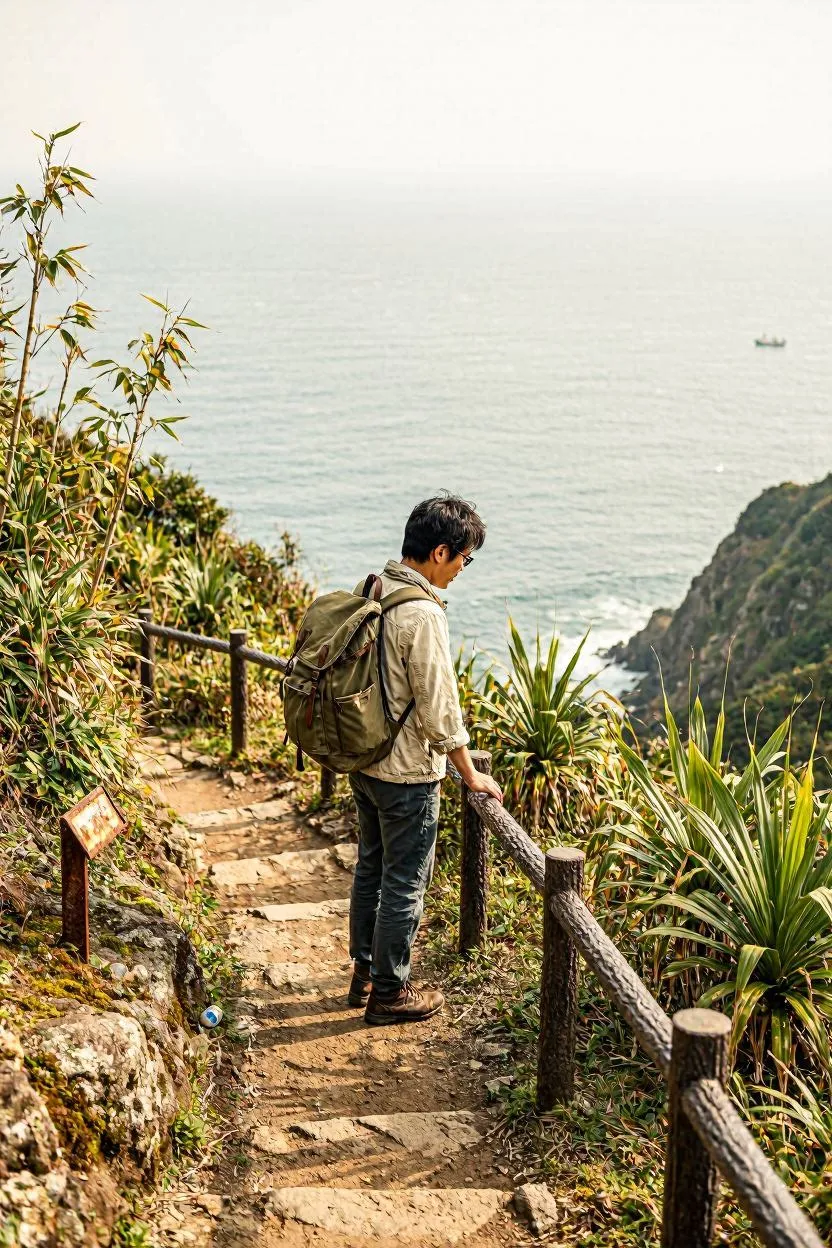
Jogasaki Coast hiking trail (suspension bridges over dramatic cliffs), Shuzenji temple town, Mount Omuro (volcano crater walks), scuba diving at Futo, surfing at Shirahama, wasabi farm visits, Izu Shaboten animal park.
Day Trips
Hakone (1.5 hrs — hot springs, Lake Ashi, Fuji views), Mishima Skywalk (longest suspension bridge in Japan), Numazu (famous for deep-sea fish market), Tokyo (2.5 hrs by train for when you need the city).
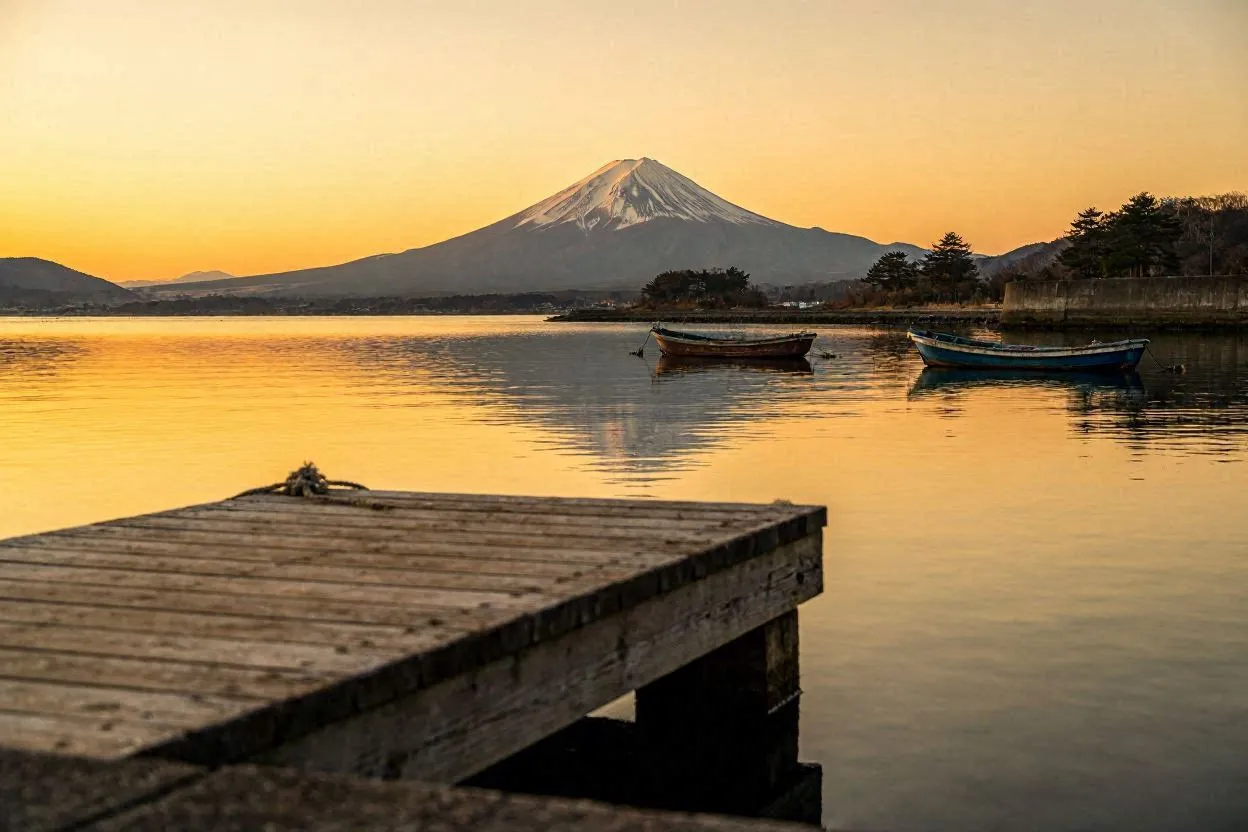
Mount Fuji from Izu
On clear days, Mount Fuji dominates the northern horizon from Izu's west coast. The mountain's reflection on Suruga Bay at sunset is one of Japan's most celebrated views — and from a ryokan onsen, it's an experience that doesn't translate to photographs.